
home onepage b
- #3a3b36
 Pre-Order John Adams' Girls of the Golden West
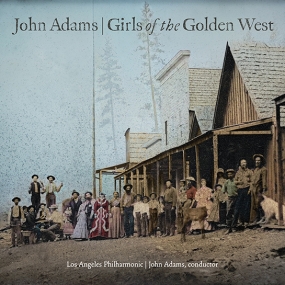
This first recording of John Adams’ 2017 opera, Girls of the Golden West, due April 26, is his eighth music theater work to be released by Nonesuch. It tells the story of the California Gold Rush not through familiar time-worn myth, but in the words and deeds of real people. Longtime Adams collaborator Peter Sellars drew from original sources from the era—letters, journals, newspaper articles, and familiar song lyrics—to create the libretto. The composer leads the LA Phil in this recording made in Disney Hall, with the LA Master Chorale led by Grant Gershon and a cast featuring Davóne Tines, Julia Bullock, and others.
- #000000
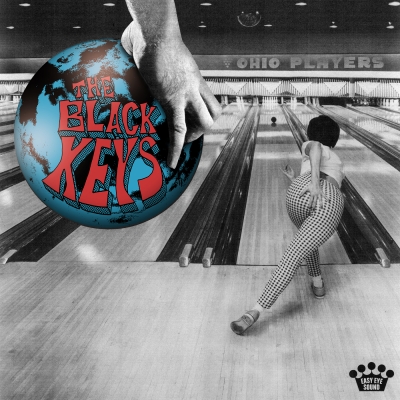 The Black Keys' Ohio Players Out Now
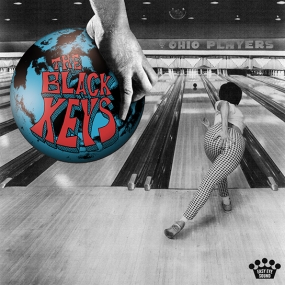
The Black Keys' twelfth studio album, Ohio Players—a title inspired by the legendary Dayton, Ohio, funk band of the same name—features several collaborations between band mates Dan Auerbach and Patrick Carney with various friends and colleagues, like Dan “The Automator” Nakamura, Beck, Noel Gallagher, Greg Kurstin, and others. “We had this epiphany: ‘We can call our friends to help us make music,’" Carney says. Auerbach adds, “No matter who we work with, it never feels like we're sacrificing who we are. It only feels like it adds some special flavor ... But when it came time to finish the album, it was just Pat and me.”
- #2c2827
 Michael Wilson / 25 Years: A Nonesuch Collection
In celebration of Nonesuch Records' 60th anniversary, the label has partnered with photographer Michael Wilson—who has exquisitely captured dozens of Nonesuch artists over the past quarter-century—to produce Michael Wilson / 25 Years: A Nonesuch Collection, an extremely limited quantity of 100 box sets containing newly created prints from his Nonesuch archive, due September 13. Designed by the Grammy-winning team at SMOG Design, each box will comprise twenty 12" x 12" prints, numbered and signed by the photographer.
- #a71a00
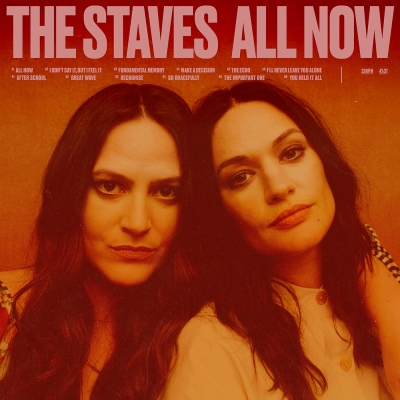 The Staves' All Now Out Now
The Staves’ All Now, produced by John Congleton (Sharon Van Etten, Angel Olsen), marks the band’s debut album as the duo of Jessica and Camilla Staveley-Taylor, following their sister Emily’s departure. “There was a delayed reaction to trauma and these big changes out of your control,” Jess says of the period after the February 2021 release of their album Good Woman, as the band—like everyone—was forced to sit with their thoughts. Struggling after two years of deep solitude and pain, The Staves did what they know how to do best: they got back to writing with the idea of going back to basics and focusing almost solely on each other and their guitars as a starting point.
- #1d140d
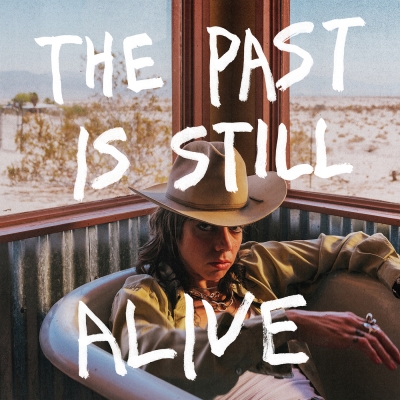 Hurray for the Riff Raff's New Album Out Now
Hurray for the Riff Raff (aka Alynda Segarra) created The Past Is Still Alive during a period of personal grief, when they found inspiration in radical poetry, railroad culture, outsider art, the work of writer Eileen Myles, and activist groups like ACT UP and Gran Fury. "Segarra has created an epic tale of life on the road, a nearly mythic version of their own life story that stands alongside other great American musical travelogues," exclaims NPR Music. "Career-defining." Rolling Stone says: "Segarra has honed their craft into a cohesive, astonishingly realized singer-songwriter record ... the best batch of songs Segarra's ever written." Paste calls it "a celebratory measure of love, sanctuary, and defiance ... In their hands, the trauma of the present day is a prelude to the possibilities of a better tomorrow."
Journal
- Thursday, April 25, 2024
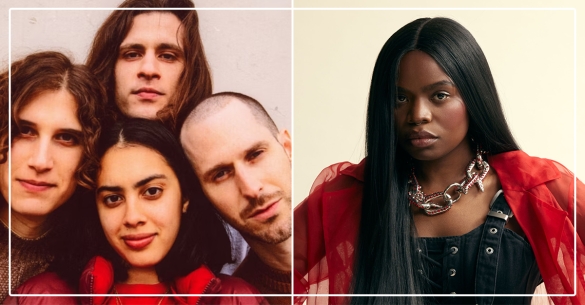
Vagabon (aka Laetitia Tamko) will support the band Crumb on tour this October. The shows begin in California—Santa Cruz, Oakland, and Sacramento—then head to Salt Lake City and Denver and on to Texas—Dallas, Houston, San Antonio, Austin, and El Paso—and Albuquerque and back to California to close out the tour in Santa Ana, San Diego, and Los Angeles.
Tuesday, April 23, 2024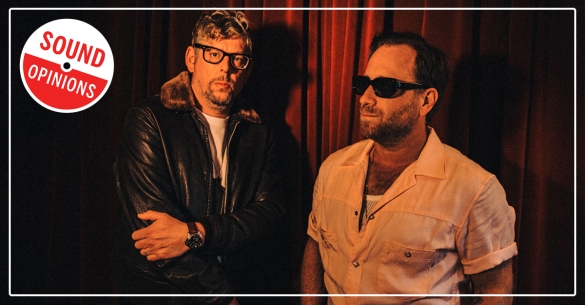
The Black Keys' Dan Auerbach and Patrick Carney, who kick off their International Players tour in Manchester, England, on Saturday, are on Sound Opinions to talk about their new album, Ohio Players, with hosts Jim DeRogatis and Greg Kot, who call them "one of the greatest rock acts to emerge in the 21st century." You can hear their conversation here. The hosts also review Hurray for the Riff Raff's new album, The Past Is Still Alive, calling it "one great tune after another."
Tuesday, April 23, 2024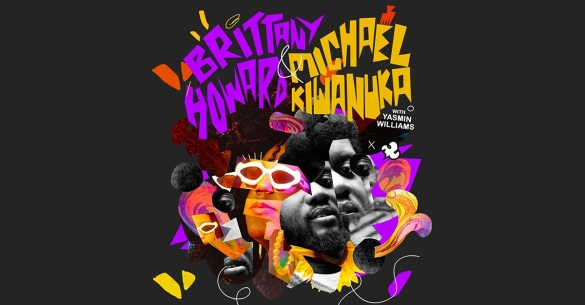
Composer/guitarist Yasmin Williams—whose first song on Nonesuch, "Dawning," was released late last year ahead of her label debut album, due later this year—will support Brittany Howard and Michael Kiwanuka on their North American fall tour. The shows begin at The Met in Philadelphia on September 29, and include stops in Boston, New York, Saint Paul, Denver, Boise, Portland, Vancouver, Seattle, Berkeley, Los Angeles, and more.
Artist Spotlight
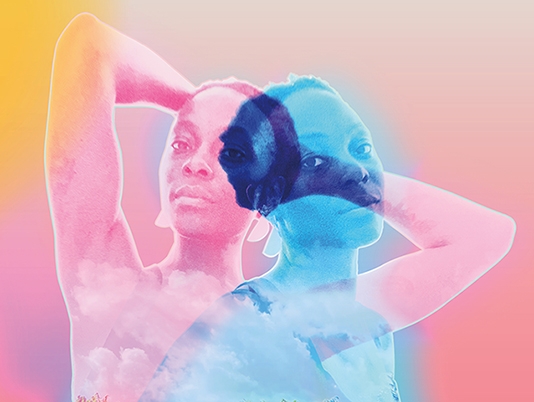
On Ki moun ou ye, Haitian-American singer and composer Nathalie Joachim takes listeners through an intimate collection of music that ponders its title’s question: “Who are you?” Inspired by the remote Caribbean farmland that her family continues to call home after seven generations and performed in both English and Haitian Creole, the work examines the richness of one’s voice—an instrument that brings with it DNA, ancestry, and identity—in a vibrant tapestry of Joachim’s voice, and…
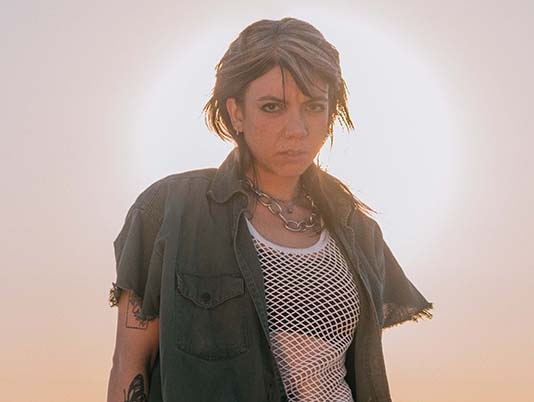
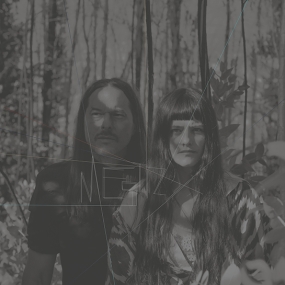
Hurray for the Riff Raff (aka Alynda Segarra) created The Past Is Still Alive during a period of personal grief, when they found inspiration in radical poetry, railroad culture, outsider art, the work of writer Eileen Myles, and activist groups like ACT UP and Gran Fury. Segarra uses their lyrics as a way to immortalize and say goodbye to those they have loved and lost, and to honor both the heartbroken and the hopeful parts of themselves. Though made in North Carolina by the Bronx-…
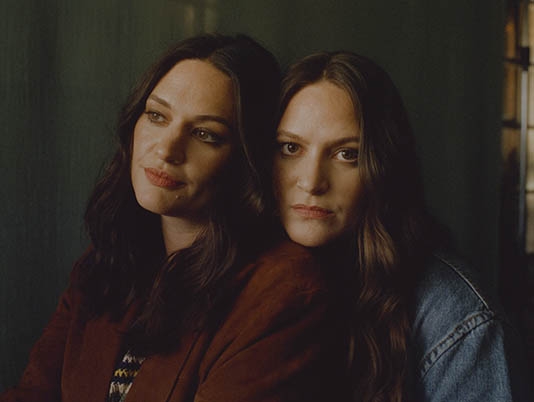
The Staves’ All Now, produced by John Congleton, marks the band’s debut album as the duo of Jessica and Camilla Staveley-Taylor, following their sister Emily’s departure. “There was a delayed reaction to trauma and these big changes out of your control,” Jess says of the period after the February 2021 release of their album Good Woman, as the band—like everyone—was forced to sit with their thoughts. Struggling after two years of deep solitude and pain, The Staves did what…

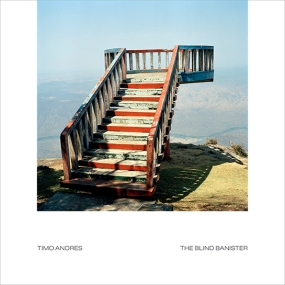
Composer/pianist Timo Andres, who has been praised for his “acute ear” by the New York Times’s Anthony Tommasini and “stubborn nose” by the New Yorker’s Alex Ross, made his Nonesuch debut with the 2010 release of his album Shy and Mighty, followed by Home Stretch in 2013. He performs works by several Nonesuch artists, including himself, on the 2020 album I Still Play.
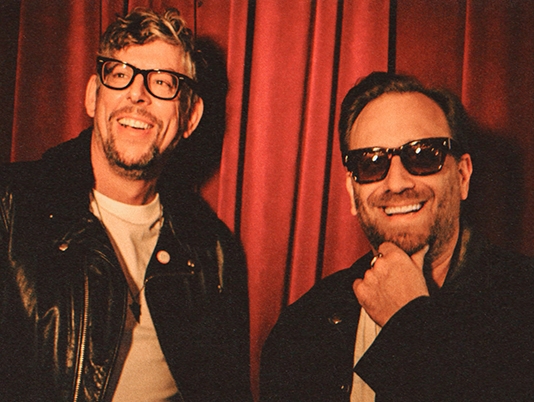
The Black Keys' twelfth studio album, Ohio Players—a title inspired by the legendary Dayton, Ohio, funk band of the same name—features several collaborations between band mates Dan Auerbach and Patrick Carney with various friends and colleagues, like Dan “The Automator” Nakamura, Beck, Noel Gallagher, Greg Kurstin, and others. “We had this epiphany: ‘We can call our friends to help us make music,’" Carney says. Auerbach adds, “No matter who we work with, it never feels like we're…
Store
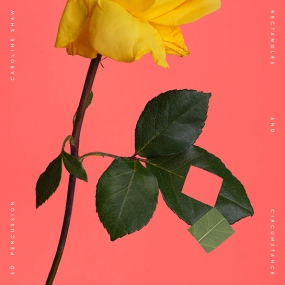 ,LabelLP+MP3Price21.00UPC075597899580LabelCD+MP3Price13.00UPC075597899597
 LabelCD+MP3Price13.00UPC075597900897
 LabelCD+MP3Price13.00UPC075597900835
 ,LabelRed Moon LP+MP3Price25.00UPC075597900125,LabelLP+MP3Price21.00UPC075597900118LabelCD+MP3Price13.00UPC075597900132
 Label2CD+MP3Price21.00UPC075597900521
 ,LabelLP+MP3Price27.98UPC075597900194,LabelCD+MP3Price14.98UPC075597900231,Label96/24 HD FLACPrice10.00UPC075597900170LabelMP3Price9.00UPC075597900156
 ,LabelCD+MP3Price13.00UPC075597899948,Label96/24 HD FLACPrice10.00UPC075597899924LabelMP3Price9.00UPC075597899900
 ,LabelLP+MP3Price21.00UPC075597901498,LabelCD+MP3Price13.00UPC075597901405,Label48/24 HD FLACPrice10.00UPC075597901511LabelMP3Price9.00UPC075597901528
Tour
902776 Wed, Apr 247:30 PMLyell B. Clay Concert TheatreMorgantown, WVUnited Statesw/Silkroad Ensemble899106
 893856
 Wed, Apr 248:00 PMThe Theatre at Ace HotelLos Angeles, CAUnited States69 Love Songs 25th Anniversary903381